Network Analysis
Purpose
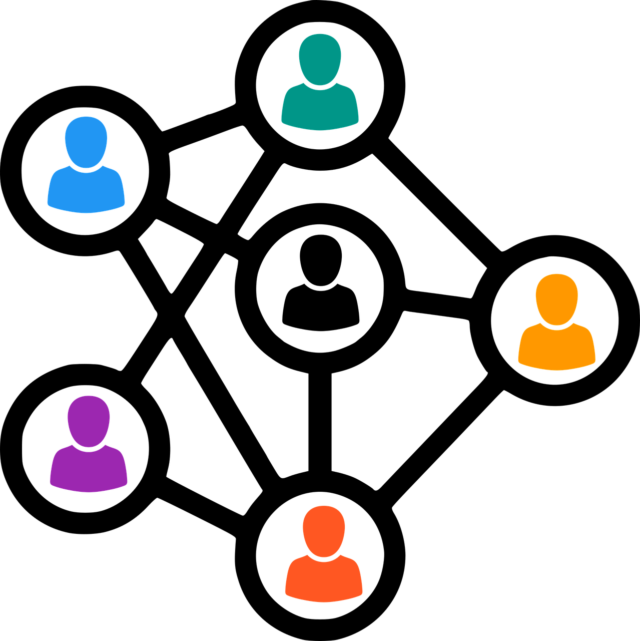
Network analysis helps clarify complex problems by mapping the connections and relationships between different entities, like individuals, organizations, or even concepts. Imagine a web where each dot is a person or organization, and the lines connecting them represent interactions. Network analysis reveals how critical forces such as information, influence, power, trade, resources, or diseases spread through these connections. The structure of these networks—who are the key influencers and brokers, where are the bottlenecks, where are the groups or subsystems in the network, and how are different groups connected—can reveal opportunities to design targeted and efficient interventions.
| Uses | Limitations |
|---|---|
|
|
When to Utilize
Network analysis is most valuable for problem structuring when the issue at hand involves complex interactions and relationships between various actors, like individuals, organizations, or institutions. If the problem’s dynamics are significantly influenced by how these entities connect and communicate, network analysis can reveal critical insights. For instance, network analysis can reveal crucial patterns in the spread of infectious diseases, clarify the flow of information in public health campaigns, or assess collaboration among agencies in policy implementation. Network analysis can be particularly valuable in business analysis, fraud detection, market research, and research across fields.
Resources
Social Network: An Introduction
David Hevey, Network Analysis: A Brief Overview & Tutorial, 2018
Troy Francis, Exploring the Use of Social Network Analysis Methods in Process
Return to methods Previous Post
 Next Post
